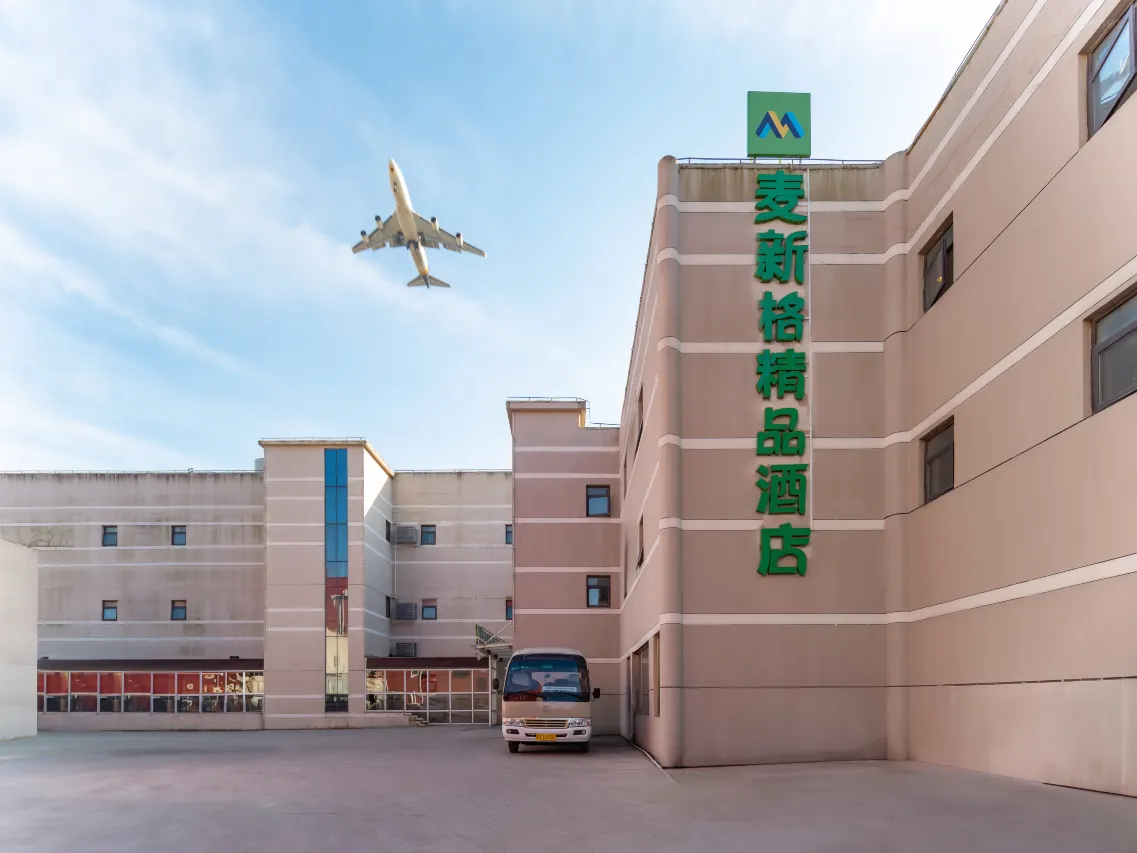

Maixinge Boutique Hotel was born not from a business plan, but from a quiet longing — the desire to create a sanctuary in the heart of Shanghai’s most electrifying district, where the pulse of commerce never sleeps, yet the soul still craves peace.
In 2018, founder and designer Li Wei, a Shanghai native who had spent over a decade working across global capitals — from New York to Tokyo — returned home with a singular vision: to build a hotel that didn’t just accommodate travelers, but understood them. He saw Lujiazui’s glittering towers as symbols of ambition, yes — but also as monuments to isolation. People rushed through its glass canyons, tethered to screens, chasing deadlines, missing the beauty of their own city. He asked himself: What if a hotel could be the pause between breaths?
Thus, Maixinge was conceived — not as a luxury resort, nor a sterile corporate retreat, but as a quiet rebellion against noise. At No. 168 Yuanshen Road, tucked away from the main thoroughfares yet just steps from the Huangpu River promenade and Lujiazui Metro Station, Li Wei and his team transformed a modest 12-story building into an intimate haven of curated calm. Every decision was guided by silence: triple-glazed windows to muffle the city’s symphony; warm, untreated wood floors to ground the space; hand-thrown ceramic fixtures that echo the texture of traditional Shanghainese craftsmanship; and lighting designed to mimic natural dawn and dusk, helping guests recalibrate their rhythms.
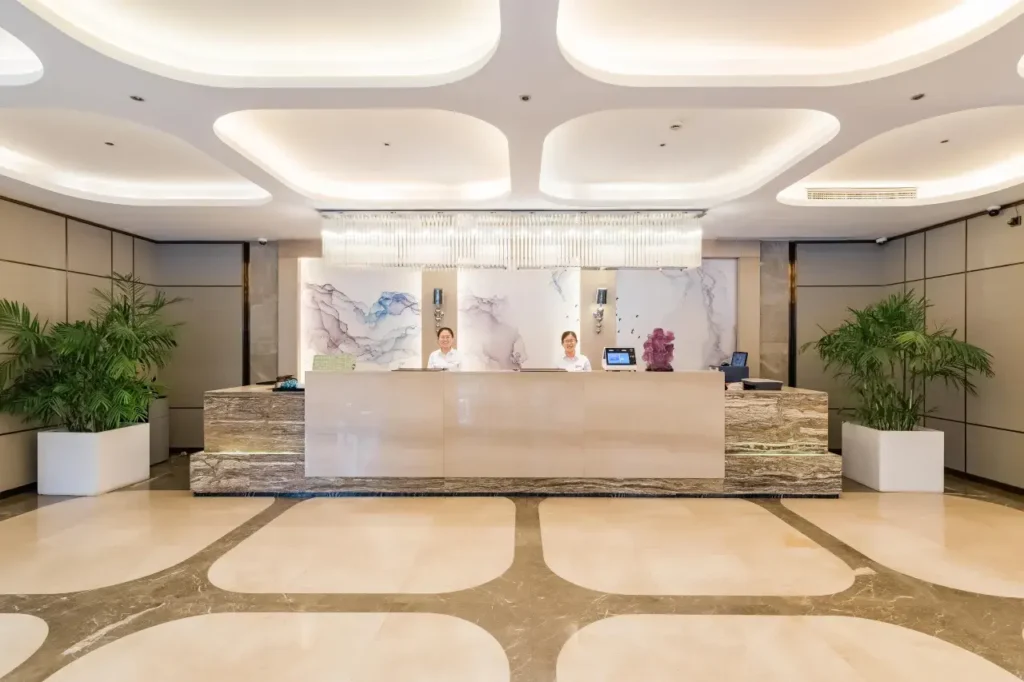
The name “Maixinge” — derived from the Chinese phrase “Mai Xin Ge,” meaning “The House of Gentle Heart” — reflects this ethos. There are no grand lobbies or chandeliers here. Instead, you’re greeted by a single vase of seasonal blooms, a handwritten note, and the scent of aged tea leaves drifting from the reception counter. The lobby is intentionally small — because true hospitality doesn’t need spectacle. It needs presence.
Our rooms are not styled for Instagram — they are designed for deep rest. Floor-to-ceiling windows frame the ever-changing skyline like living art, but blackout curtains and acoustic insulation ensure that even at midnight, when the neon glow of the Bund flickers on, your sleep remains sacred. Each suite holds carefully selected books — poetry, philosophy, and local photography — so you might discover a new perspective before breakfast.
The restaurant, named Yun Ting (“Cloud Veranda”), serves food that feels like memory: truffle-infused xiaolongbao that melts on the tongue like childhood winters; duck glazed with fermented black bean and wild mountain honey; teas sourced from remote Fujian hills, brewed slowly in clay pots. Diners are served without rush, often with a quiet question: “How did your day feel?” — a rare inquiry in a city that measures success in meetings, not moments.
And then there’s our service — the unspoken thread that ties it all together. Our staff don’t wear uniforms; they wear intention. They remember your name, your coffee order, the book you left on the nightstand. They leave a cup of warm ginger tea outside your door after a late flight. They know which rooftop corner offers the best view of the fireworks on National Day — and will quietly guide you there, without being asked.
Maixinge doesn’t market itself as “the best boutique hotel.” We don’t need to. Our story is written in the quiet sighs of guests who return year after year — the entrepreneur who comes every quarter to reset her mind, the couple celebrating their 25th anniversary in the same room where they first kissed in Shanghai, the traveler who flew halfway around the world just to sit alone by the river at sunrise, feeling finally, deeply, at home.
We are not trying to impress the world.
We are trying to help you remember how to be still within it.
Welcome to Maixinge.
Where the skyline dazzles —
but your peace?
That’s ours to protect.